
For a Web3 team, the right SEO audit option depends on the decision in front of you and the people who can act on the findings. A self-serve tool is a good first stop for a narrow technical question. An agency can combine several workstreams when the scope and delivery owner are clear. An independent analyst can help when you need an outside diagnosis and your team can implement it.
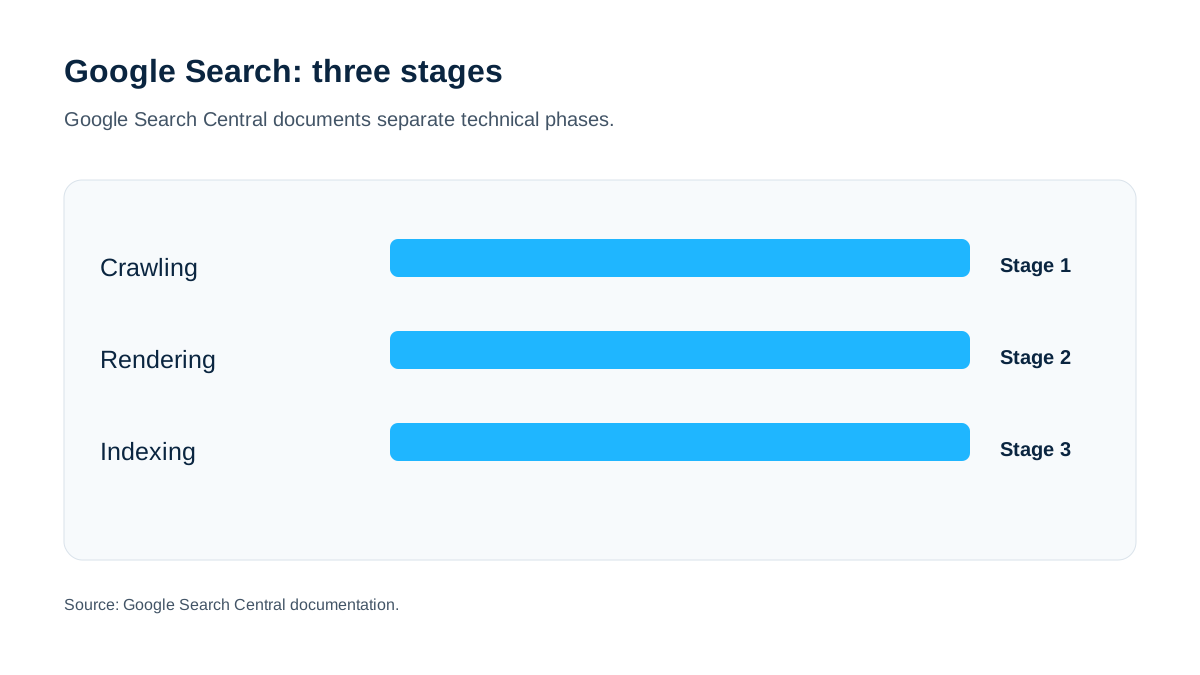
I compare the three options by the same criteria: what evidence they can show, what their scope covers, who owns implementation, and what the result cannot prove. That distinction matters because Google separates crawling, rendering, indexing and serving results. A report about one stage cannot establish that every other stage is healthy.
Start with the decision, not the provider. If a page is missing from search, you need evidence about discovery, access, rendering and indexing. If pages are indexed but search traffic is weak, the question may involve query fit, content, competition or measurement. Those are different assignments.
Choose a self-serve tool when you can define the test and interpret the result. Choose an agency when you need a bounded set of technical, content or implementation tasks delivered by a team. Choose an independent analyst when you need a second opinion, a prioritized diagnosis or help turning evidence into a decision. The best fit is the option that names the evidence, limits and next owner before work begins.
None of these choices guarantees rankings. Google says it does not guarantee that a page will be crawled, indexed or served, even when it follows Search Essentials. Treat an audit as a way to reduce uncertainty and identify work, not a promise of a search outcome.
Primary evidence: criteria for comparing a Web3 SEO audit
I use five criteria in a review. First, evidence: can the provider show the affected URL, the observation and how it was collected? Second, scope: does the work cover a specific technical issue, the whole site, content, or implementation? Third, interpretation: does the report explain what the evidence means and what remains unknown? Fourth, ownership: who is expected to make and verify each change? Fifth, limits: what result cannot be attributed to this audit?
These questions turn a broad promise such as “improve SEO” into a task a team can inspect. A useful recommendation includes a URL, an observed condition, a proposed action, an owner and a way to check the result. If any part is missing, ask for it before approving the scope.
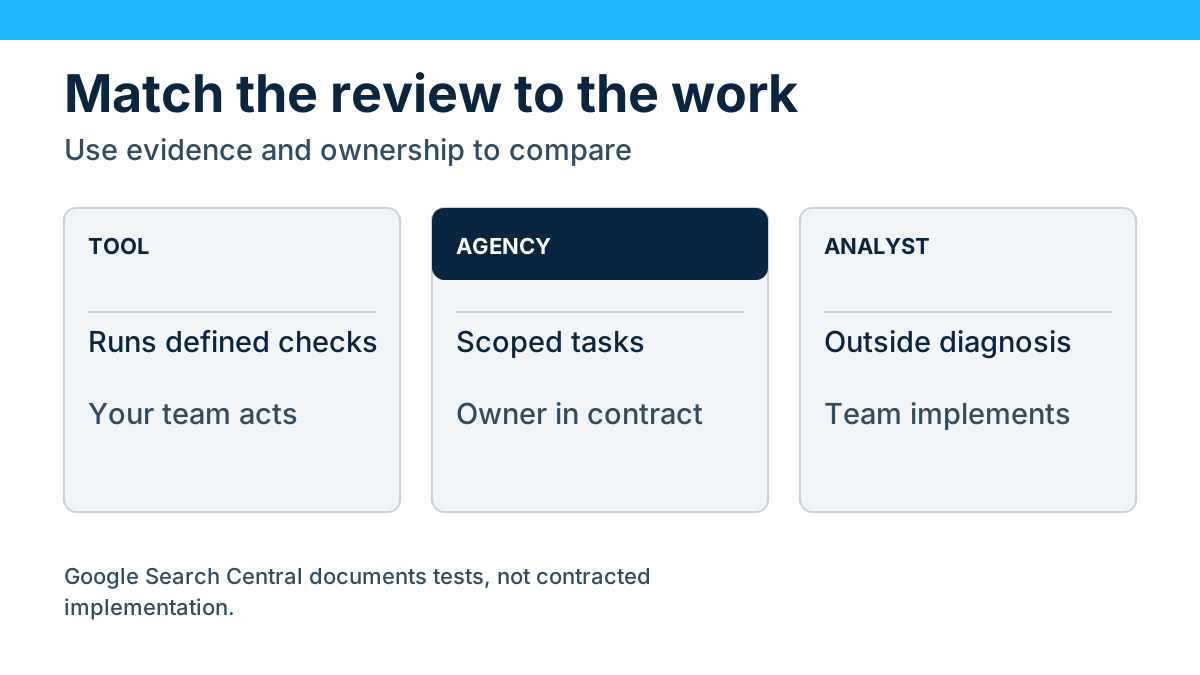
Side-by-side comparison: tool, agency and analyst
| Option | Evidence it can return | Scope and interpretation | Implementation owner | Main limit |
|---|---|---|---|---|
| Self-serve tool | Depends on the tool. Google Search Console URL Inspection can show information about Google's indexed version and let an owner test a live URL. | Usually a defined URL, property or report. The user must connect the result to the site's architecture and business question. | Your team, unless a separate service is contracted. | A diagnostic view does not decide which business change matters most. |
| SEO agency | Depends on the written scope. Ask for URLs, source data, samples and a record of checks performed. | Can combine technical review, content work and implementation, but only if these are named deliverables. | The contract should say whether the agency or your team implements and validates changes. | The label “agency audit” does not define depth, method or outcome. |
| Independent analyst | A documented diagnosis based on the sources and access agreed in advance. | Often useful for prioritization, second opinions and a decision memo. Confirm what pages and systems are included. | Your team or a separate implementer, unless implementation is explicitly included. | An opinion without reproducible evidence is hard to verify or hand off. |
Google Search Console is a concrete self-serve alternative, not a complete SEO strategy. Its URL Inspection documentation describes information about Google's indexed version of a URL and a live test. The tool can help answer a specific question about a page. It does not replace analysis of the whole acquisition journey, content fit, protocol documentation or whether a recommendation is worth implementing.
An agency and an analyst are service categories, not standardized products. Their work can overlap. Compare the proposal itself: pages included, access required, checks performed, artifacts delivered, meeting time, implementation responsibility and follow-up. Ask for sample outputs with confidential details removed. Do not compare an agency's implementation package with an analyst's short review as if they were the same unit of work.
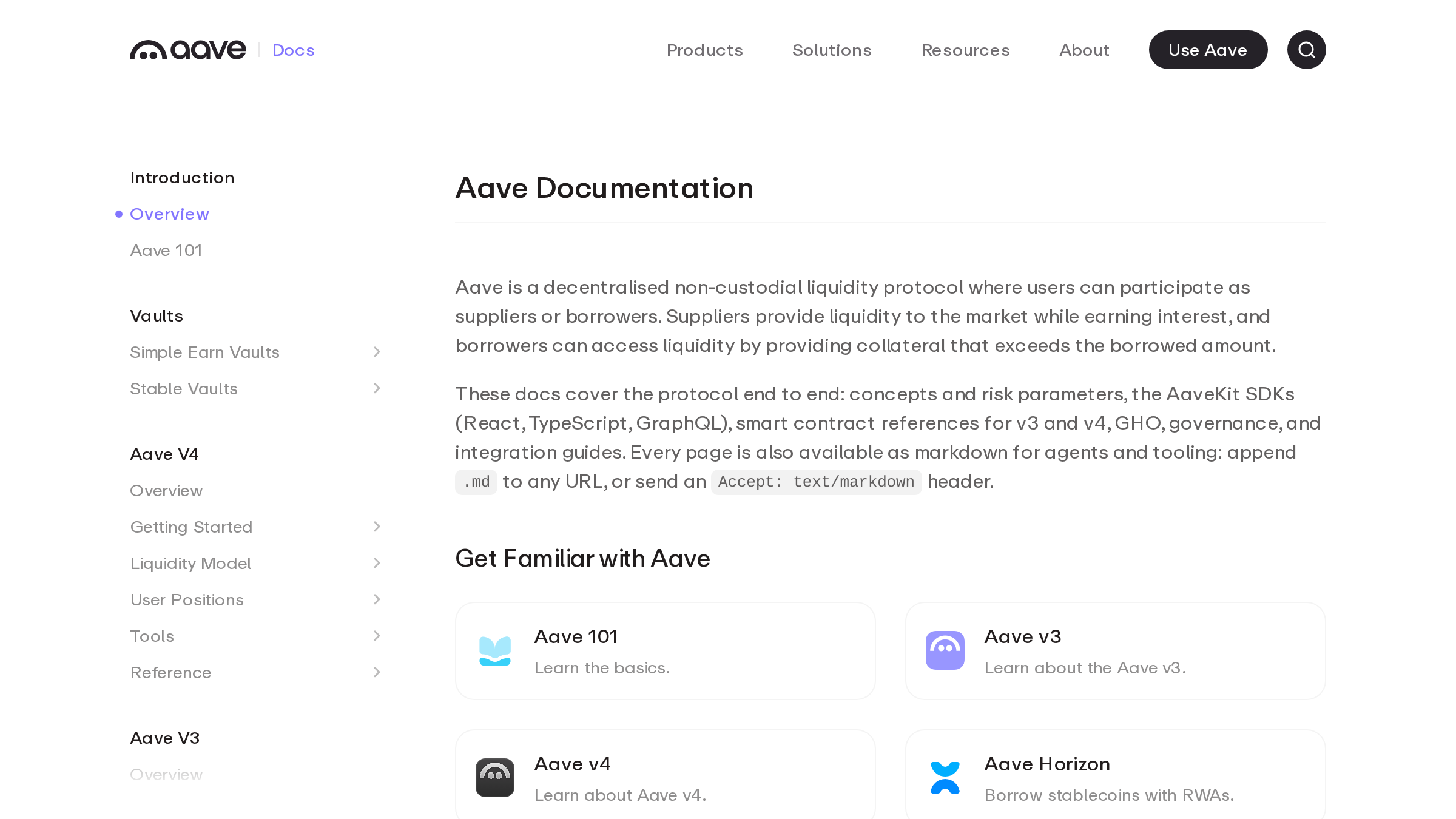
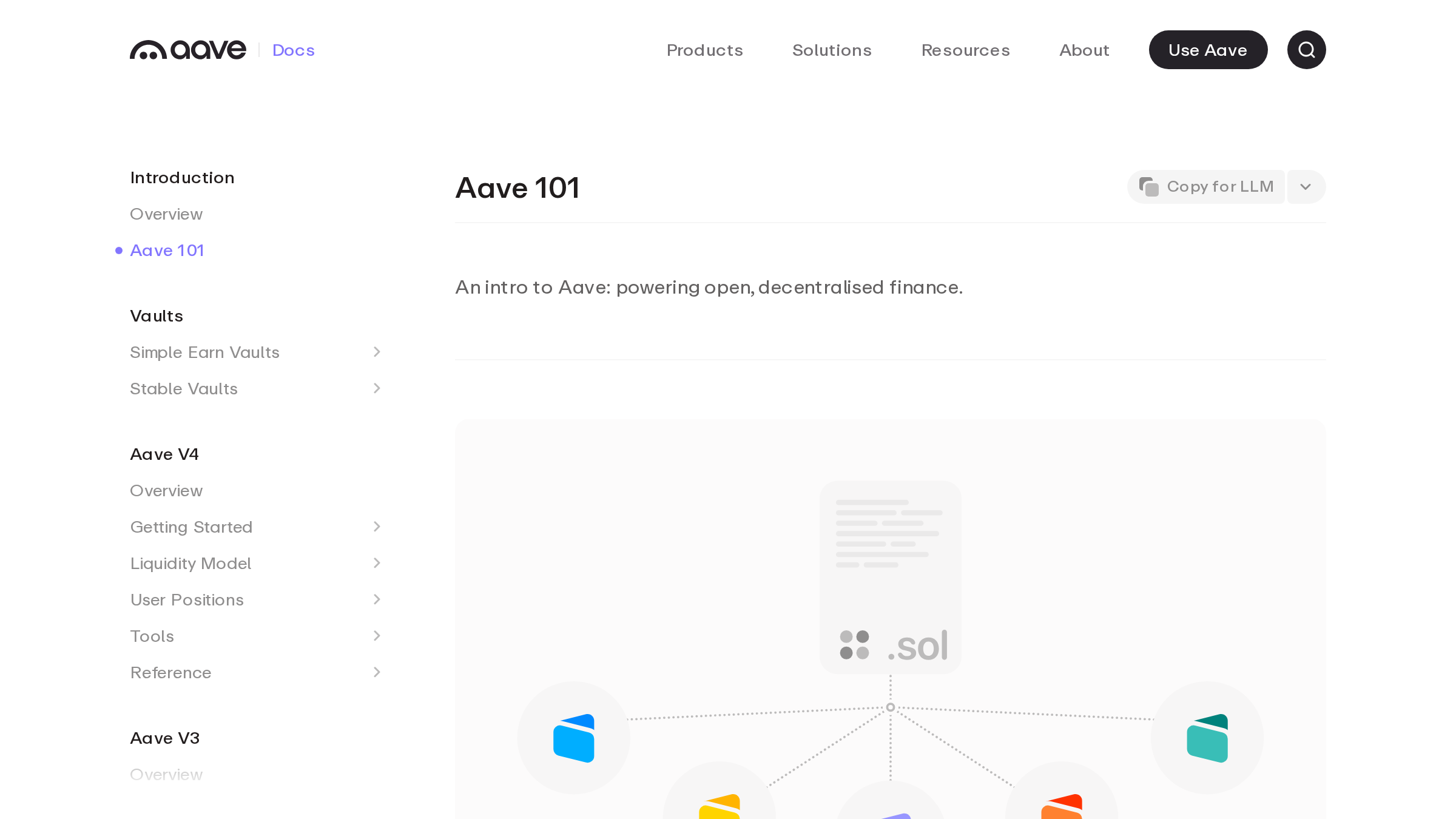
For a concrete Web3 example, I checked Aave’s public developer documentation. Its overview presents protocol documentation and links to product and developer topics. That gives an auditor a real page to inspect for discoverability, rendered content and crawlable navigation. The capture does not establish Aave’s rankings, traffic or indexing status. Open Aave’s documentation index.
Patterns in the evidence: what an SEO review can establish
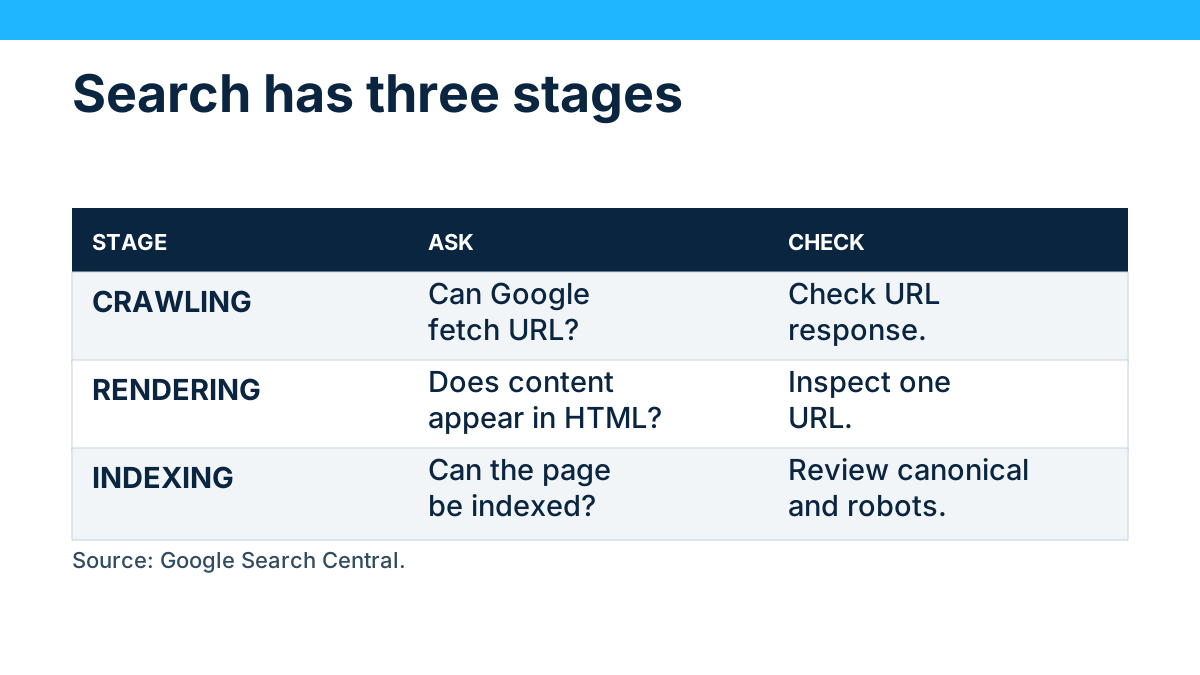
Google describes Search as a set of stages. Crawling discovers and fetches pages. Rendering processes page content, including JavaScript. Indexing analyzes and stores information. Serving selects results for a query. Not every page passes through every stage, and successful technical checks do not guarantee a search result.
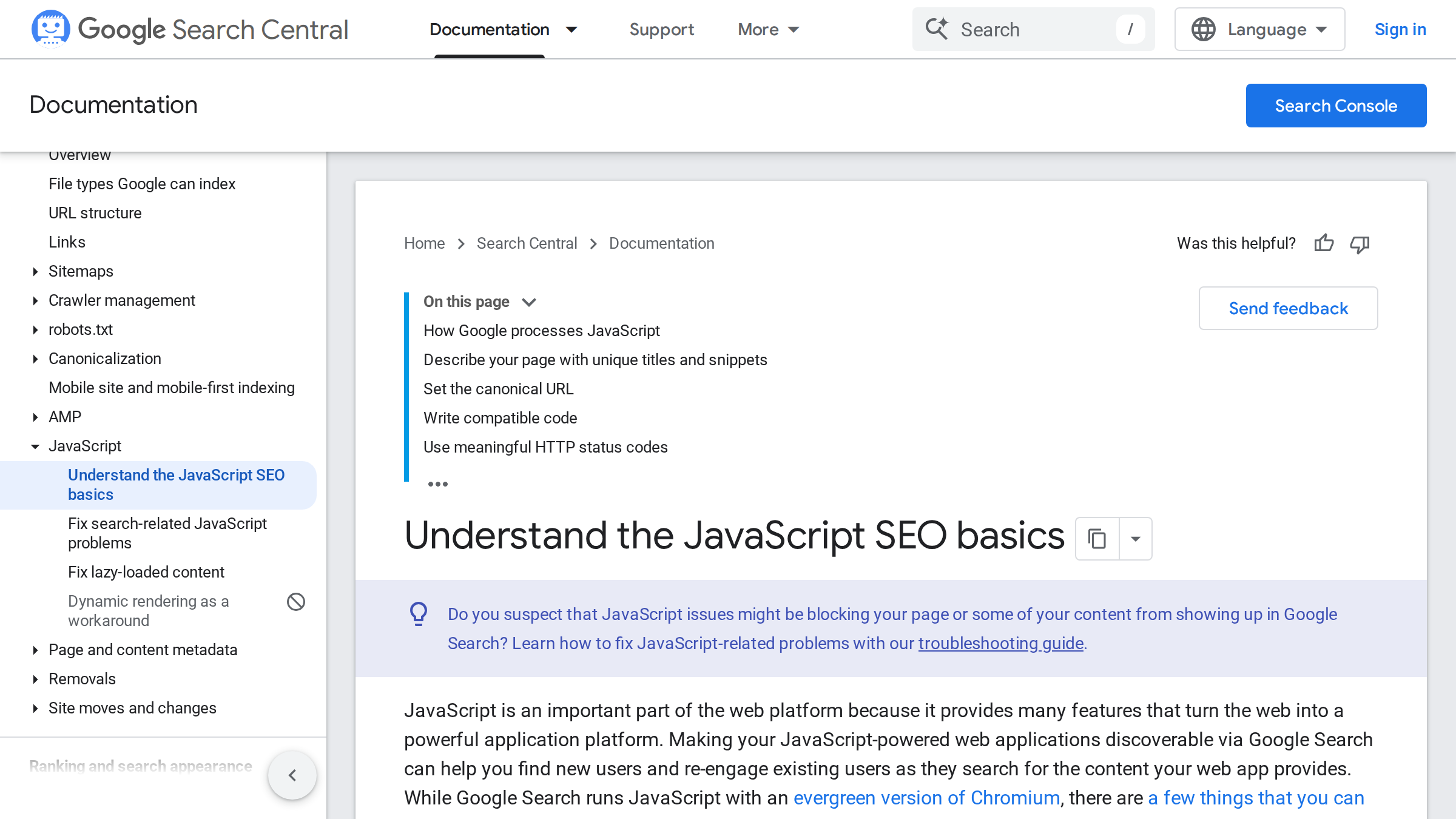
This gives a practical way to assess an audit. If the concern is a page that cannot be found, ask for discovery and crawl evidence. If the page loads but its main content depends on JavaScript, ask what appears in rendered HTML. If the page is indexed, investigate whether the content answers the intended query and whether the search result reflects the page correctly. Keep evidence from different stages separate.
Structured data is another area where a specific claim needs care. Google says structured data can make a page eligible for supported search features when it meets requirements. Eligibility is not a guarantee that a feature will appear. A report should therefore say “eligible” or “not eligible under the tested conditions,” not promise a rich result.

Strategic interpretation: the right option by founder situation
Choose a self-serve tool for a narrow, testable question
Use the tool when you know which URL or property to inspect and someone can act on the result. For example, a team can check whether Google reports a URL as indexed or run a live inspection. Record the URL, date, result and limitation. If the finding needs context across many pages or systems, stop treating the tool as the whole audit and expand the scope.
Choose an agency when execution is part of the assignment
An agency is a stronger fit when your team needs a defined set of tasks completed across technical SEO, content or development. Put implementation in the scope if you expect the agency to make changes. Name who approves releases, who checks the result and what happens when access or dependencies delay delivery. A strategy deck without an owner does not solve an implementation gap.
Choose an independent analyst for an outside diagnosis
An analyst can be useful when you already have a team but need an external view of priorities, evidence quality or trade-offs. Agree on the questions first. Ask for a source trail and a decision-ready output. Then make sure a person inside the protocol owns the response. The analyst's independence does not transfer implementation responsibility.
Some teams need more than one option, but sequence the work. Start with a focused diagnostic question. Use its result to define the next scope. This reduces duplicate audits and keeps a provider from charging for work your team has already completed. It also creates a record of why the next task exists.
Growth framework: a five-part Web3 SEO audit brief
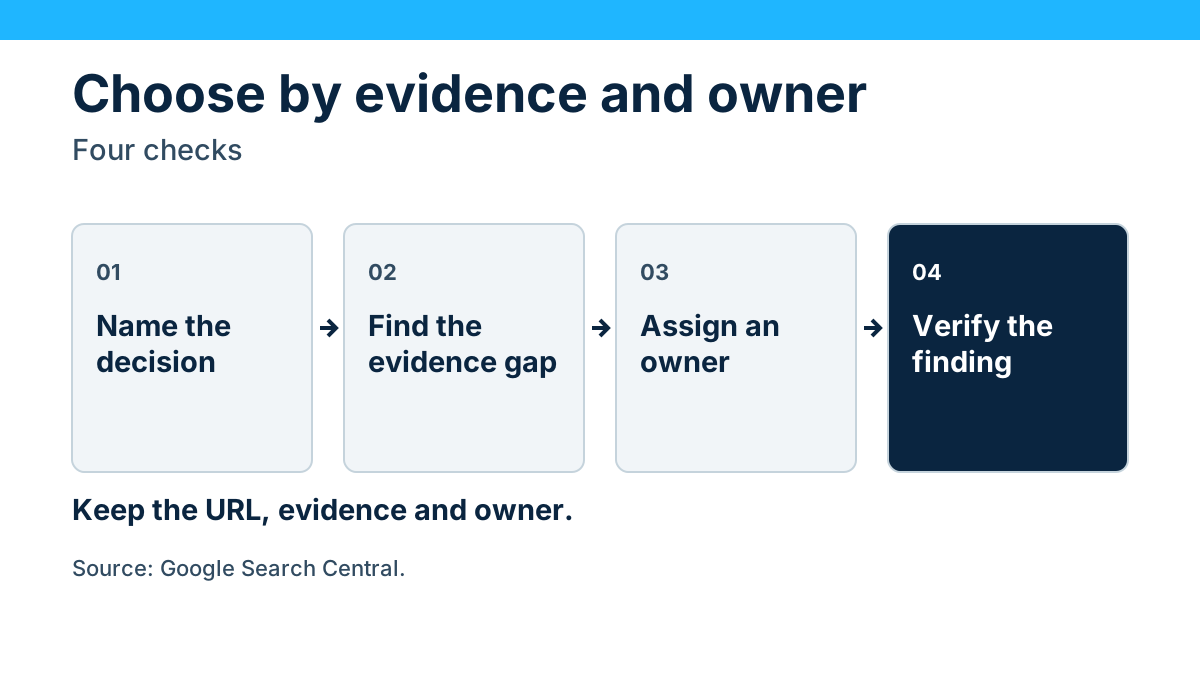
- Name the decision. Write the business question in one sentence, such as whether a rendering issue needs engineering time.
- Set the boundary. List URLs, language versions, properties, contracts or product sections in scope. State what is excluded.
- Ask for evidence. Require the source, date, affected URL, observation and any reproduction steps for each finding.
- Assign an owner. Name who decides, who implements and who verifies. Separate recommendations from work the provider has agreed to perform.
- Define the follow-up. Choose a check that would confirm the technical change. Keep ranking or traffic outcomes separate because the audit cannot guarantee them.
Use this brief to compare proposals on equal terms. Ask every provider to answer the same questions. If a proposal cannot say what evidence it will return, what it will not cover and who will act, it is not ready to compare on price or timing.
For more context, I explain the broader Web3 search process in my Web3 SEO guide and cover technical checks in the technical SEO guide. These pages provide background. They do not replace evidence from your own site.
FAQ
What does a Web3 SEO audit tool check?
It checks the inputs and conditions its features are designed to inspect. Google Search Console URL Inspection can show information about Google's indexed version of a URL and run a live test. A tool's output does not automatically explain the business priority or implement a fix.
When should a Web3 protocol hire an SEO agency?
Consider an agency when the work needs a defined team and your protocol wants help across technical, content or development tasks. Review the scope and name implementation ownership in writing. Do not assume every agency audit includes implementation or follow-up.
What does an independent SEO analyst add?
An analyst can provide an outside diagnosis, help prioritize evidence and explain trade-offs. Ask for the sources and observations behind each recommendation. Your team still needs an owner for implementation unless that work is part of the agreement.
Can an SEO audit guarantee rankings?
No. Google states that it does not guarantee crawling, indexing or serving a page, even when the site follows its Search Essentials. An audit can document conditions and recommend work, but it cannot promise a ranking or traffic outcome.
Closing: make the scope verifiable
The useful next signal is whether each finding has a source, an owner and a check after implementation. Keep those three items beside the recommendation as your team reviews its search work.
Need an outside view of your protocol’s growth gaps?
I review the evidence across six growth dimensions and return concrete actions for your team.
Run the Growth Audit →References
- Google Search Central: JavaScript SEO basics, checked 2026-10-15.
- Google Search Central: How Google Search works, checked 2026-10-15.
- Google Search Central: Structured data, checked 2026-10-15.
- Google Search Console Help: URL Inspection tool, checked 2026-10-15.
- Aave Protocol Documentation, checked 2026-10-15.
- Aave 101 | Aave Protocol Documentation, checked 2026-10-15.